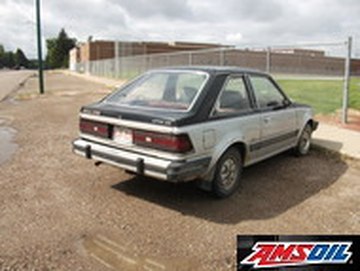
Maintenance Guidance for the 1983 Mercury LYNX 1.6L
Maintaining an older vehicle requires consistent attention to fluid integrity and filtration components. For the 1983 Mercury LYNX with a 1.6L engine, following specific guidance regarding fuel and oil systems helps manage the long-term health of the mechanical components.
What fuel filter does my 1983 Mercury LYNX 1.6L need?
The WIX 33097-EA is listed for this vehicle application.
Engine Oil Viscosity Considerations
When selecting an engine oil for the 1.6L engine in this vehicle, refer to the database-allowed viscosity of 5W-30. Using a lubricant that aligns with these specifications helps maintain the internal lubrication processes of the engine. Always verify the current condition of the oil during routine inspections to ensure it has not become excessively darkened or contaminated by debris.
Fuel System Maintenance
The fuel filter is a critical component in preventing contaminants from entering the engine's combustion system. While specific replacement intervals are not provided here, you should follow the manufacturer maintenance schedule found in your owner's manual to determine when the filter requires attention. A clogged or failing filter can impact the consistency of fuel delivery to the 1.6L engine.
Routine Fluid Inspection
Regularly checking fluid levels is a fundamental aspect of vehicle upkeep. For this 1983 Mercury LYNX, monitoring the engine oil level ensures that the lubrication system remains functional. Beyond engine oil, other vital fluids should be inspected for clarity and proper levels according to the manufacturer's guidelines. If you notice any discoloration or unusual textures in your fluids, consult the service documentation provided with the vehicle.
Managing Engine Oil Longevity
The effectiveness of engine oil is dependent on its ability to remain stable under operating temperatures. To maintain the 1.6L engine, it is important to adhere to the service intervals established by the manufacturer. Following these time or mileage-based schedules prevents the buildup of deposits that can occur when oil is used beyond its intended service life. If you are unsure of the specific interval for your vehicle, the owner's manual is the primary resource for this information.
Filter Replacement Importance
Filtration systems, including both fuel and oil filters, serve to remove particulates that could cause mechanical wear. For the 1983 Mercury LYNX, ensuring that any replacement parts are those listed for your specific engine size is a key part of maintenance. While this article identifies a specific fuel filter listing, always ensure you are following the correct procedures for accessing and replacing these components to avoid damage to fuel lines or oil passages.
What coolant does my 1983 Mercury LYNX 1.6L take?
The following products are listed for this vehicle:
- ANTPC1G-EA — Passenger Car & Light Truck Antifreeze & Coolant
- ANT1G-EA — Low Toxicity Antifreeze and Engine Coolant
When should I change the oil in my 1983 Mercury LYNX 1.6L?
To determine the correct oil change interval for this vehicle, follow the owner's manual or the manufacturer maintenance schedule.
What oil does my 1983 Mercury LYNX 1.6L take?
The following oils are listed for this vehicle:
- ASLQT-EA — Signature Series 5W-30 Synthetic Motor Oil
- XLFQT-EA — XL 5W-30 Synthetic Motor Oil
- OEFQT-EA — OE 5W-30 Synthetic Motor Oil
What oil filter does my 1983 Mercury LYNX 1.6L need?
The following oil filters are listed for this vehicle:
- EAO34-EA — AMSOIL Ea Oil Filters
- 51516-EA — WIX Oil Filter
What transmission fluid does my 1983 Mercury LYNX 1.6L take?
The following fluids are listed for this vehicle:
- ATFPK-EA — Signature Series Multi-Vehicle Synthetic Automatic Transmission Fluid
- OTFQT-EA — OE Multi-Vehicle Synthetic Automatic Transmission Fluid
- ATD1G-EA — Torque-Drive® Synthetic Automatic Transmission Fluid
BUYING ENGINE OIL
When you are ready to purchase lubrication for your 1.6L engine, look for products that align with the 5W-30 viscosity listed for this application. When buying engine oil, check the packaging to ensure it matches the requirements of your vehicle and consult your owner's manual if you have questions regarding specific service intervals or additional fluid needs.